|
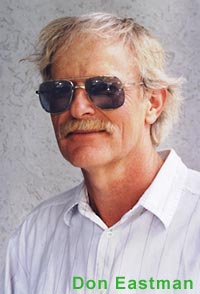
Tempus fugits. Seems like we just finished the 2000 harvest and here we are well into the 2001 season. While the past winter was The fertilizer that was spread two weeks ago still sits on top of the soil and won't do anything much good until we get sufficient rain to move it down to the roots. Despite the need, I am reluctant to put in a request for rain. Last year the request was answered, but we couldn't figure out how to turn it off! The major vineyard problem from last year, powdery mildew, still haunts most growers. Don't know when I have seen so many people out early putting on pre-bloom sprays with buds barely more than a half inch long. One of our major control materials, a systemic fungicide, appears to have developed significant resistance problems that will restrict its effectiveness (if any). Consequence will be more sprays with less effective materials (or no grapes!). The primary fall-back material for powdery mildew control is good old sulphur. It is corrosive on equipment and washes off in heavy rains, but it is relatively cheap and is even "organic" (whatever that means). Winemakers, both professional and amateur, are going to have to anticipate sulpur residues in the grapes they get and plan their ferments accordingly (more on that later). While the vines look good, the vineyard once again looks "ratty". The sudden onslaught of spring has left my weed control promises at least temporarily in the dust. As I write this, my weed sprayer lies on its back waiting for some new fittings. Preparation and pump check yesterday was interrupted when I discovered that water was running out of a corroded fitting at the bottom almost as fast as I was putting it in the top. Will get that sorted out today, and weather permitting... While the vineyard is at least reasonably under control, the political side is not. The Niagara Escarpment Commission, aided and abetted by the large winery dominated Wine Council, wants to change its rules to deny winery opportunities for any parcels less than 20 acres in size. If you don't have the multi-million dollar backing that can put up facilities that rival those of Mondavi, Opus One, etc of Napa, you are not welcome. No micro-wineries, or small-scale farm wineries for anybody unfortunate enough to own property within the Niagara Escarpment control area. A 20 acre minimum will have a major negative impact on the future shape, size and dynamics of the grape and wine industry in the province. For grape growers, the major lesson of the past couple of decades should be the need to have market options available. Most of us really aren't interested in starting wineries, but that fall back option is critical. Currently, growers are being attacked with a three pronged pitch fork. Major wineries are culling their supplier lists and dropping smaller growers (and apparently any grower with the audacity to apply for a winery license); the Wine Council is trying to eliminate small grower options by requiring 20 acres for a winery in whatever jurisdictions they can get away with it; and the same Wine Council is pushing the concept of a "land bank" which eliminates alternative uses for the land. There are some very good reasons why this otherwise superb viticultural area continues to languish 20 years behind our international competitors! The Niagara Escarpment Commission decision isn't in yet, but this has been a debilitating process taking time away from the vineyard. The weed sprayer awaits. I wish it was as easy to control the noxious pests outside of the vineyard as easily as the ones inside it. Don Eastman TOP of page | next diary entry |
 cold for us of the human species and rough on our heating bills, it was actually gentle on the vineyard. We didn't encounter any of the polar plunges that kill precious grape buds and damage vines. Once again we are off to an early start with a warm, dry spring promoting early bud break. Generally, vines look good and healthy. At our place, the only current lurking concern is very uneven budbreak on the Cabernet Franc. It is always the last to emerge from winter hibernation and at this point seems to want a shower to finish waking it up.
Don and Bea Eastman
4110 Regional Road 81, RR 1, Beamsville, ON L0R 1B1
Phone: 905 562-7736 | Fax: 905 562-7045 | email: deastman@vaxxine.com